
 ORAU: Then & Now
ORAU: Then & Now is an excellent resource to explore how our people, programs, and partnerships are driving meaningful impact, serving our nation, and enhancing global competitiveness in areas such as STEM education, workforce solutions, exposure science, health education, disaster preparedness, forensic science, and more.
Discover our rich history, which traces back to the Manhattan Project during World War II, and learn how we continue to address critical national needs in science, health, and education.
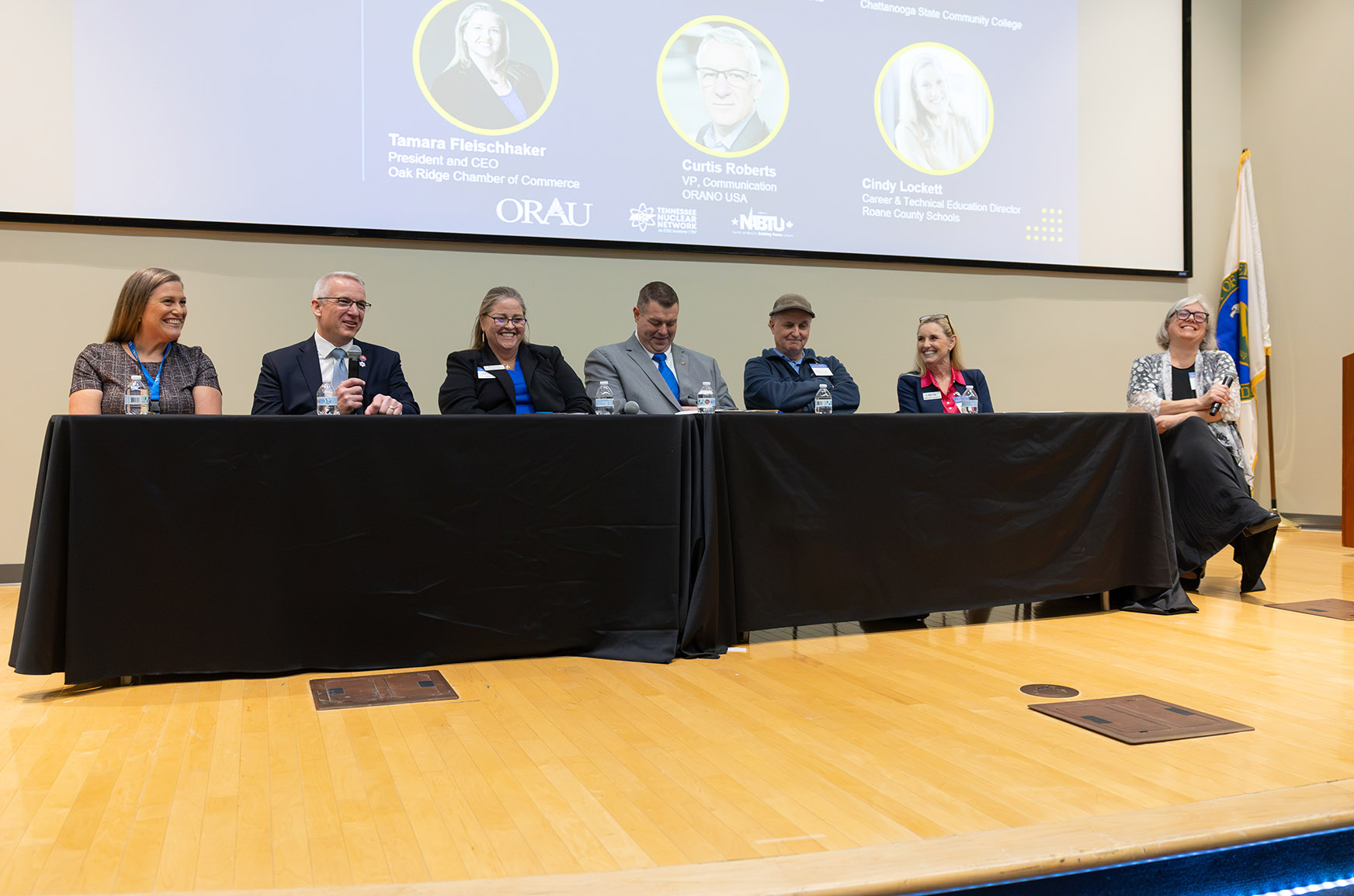
Thousands of skilled workers will be required to build, operate and sustain a rapidly growing industry and will require the wraparound services and infrastructure to support them. Meeting the need for those workers was the subject of the Next Steps for the Nuclear Workforce event at ORAU on Tuesday, Oct. 20, 2026.
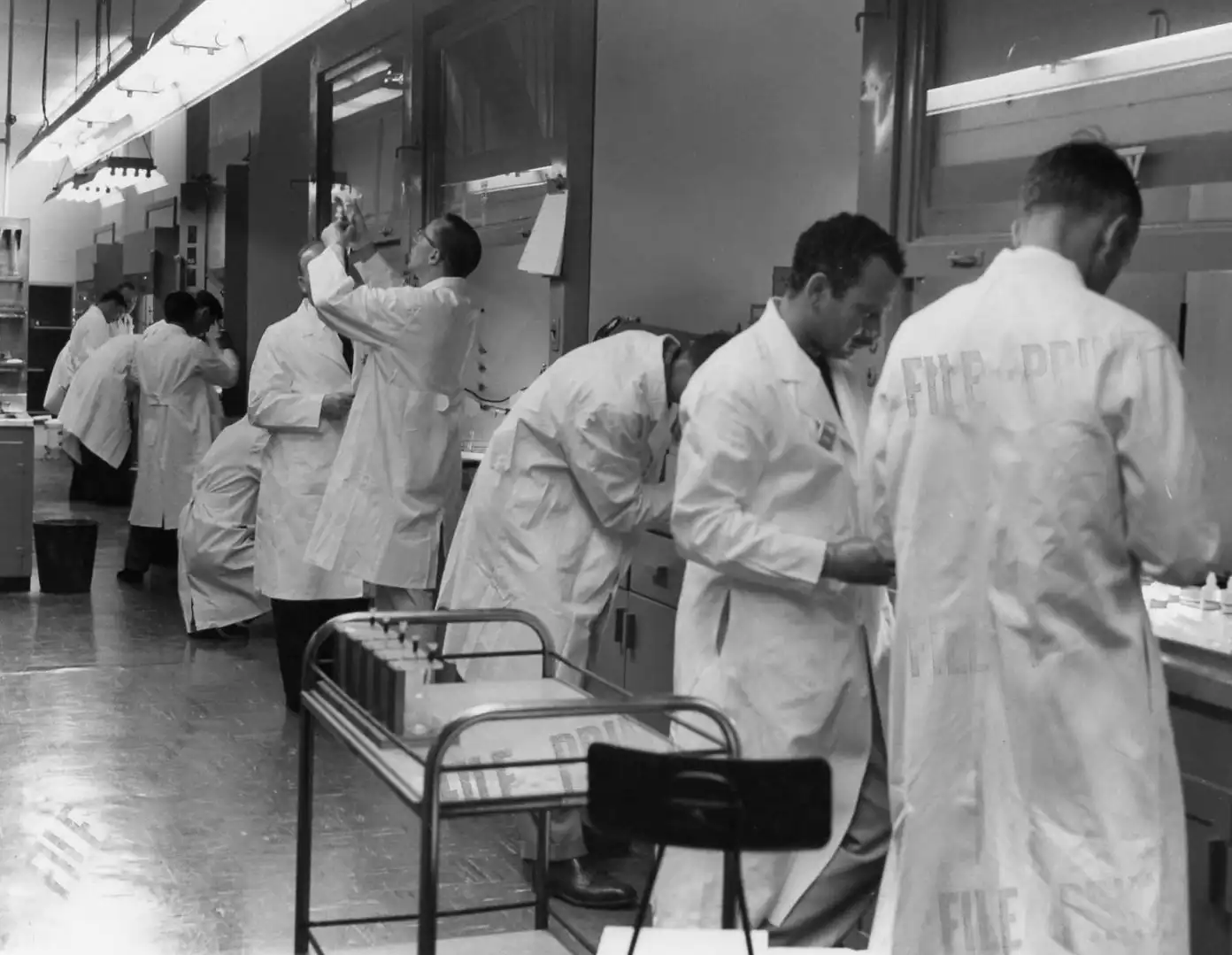
Discover how ORAU’s Professional Training Programs (PTP) has helped advance nuclear science education and radiation safety in the U.S. since 1946.
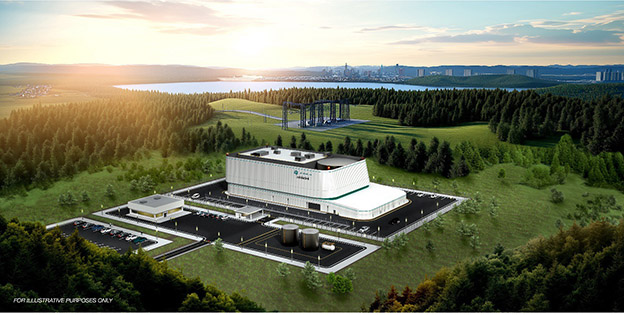
ORAU released the East Tennessee Nuclear Workforce Demand Assessment on October 8, 2026. The assessment demonstrates that demand for some categories of nuclear workers outpaces existing training pipelines.
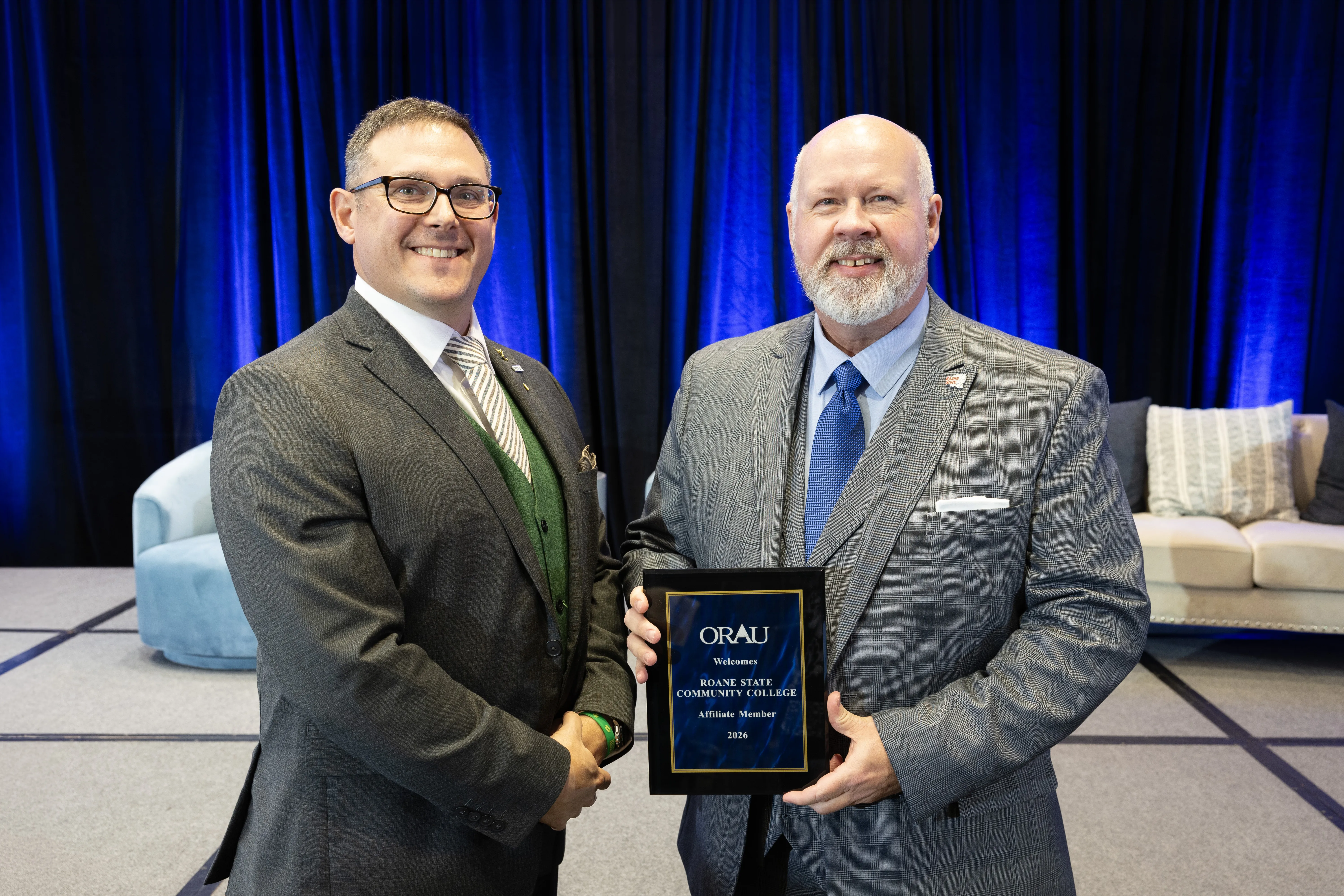
ORAU is expanding its consortium to include community colleges, including Roane State Community College, marking an important step toward broadening how we think about workforce development and innovation in the United States.

EM360 is a comprehensive emergency preparedness platform designed to help organizations manage the full cycle of preparedness activities in one place.
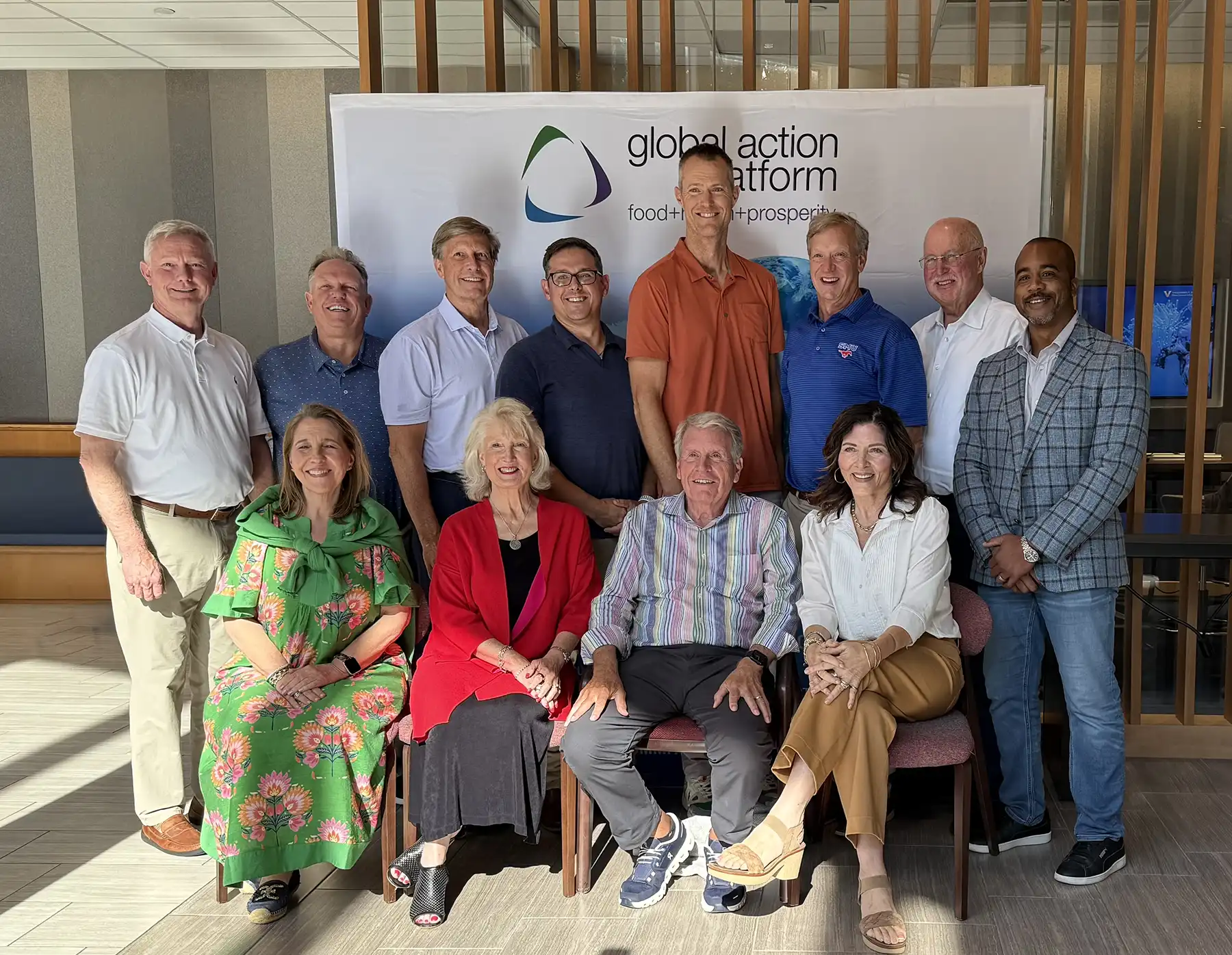
Ashley Stowe, ORAU Chief Growth and Partnerships Officer, participated in the inaugural Porter Development Initiative Fellows Academy in June, where senior leaders from across Tennessee came together to develop regional Competitiveness Action Plans.
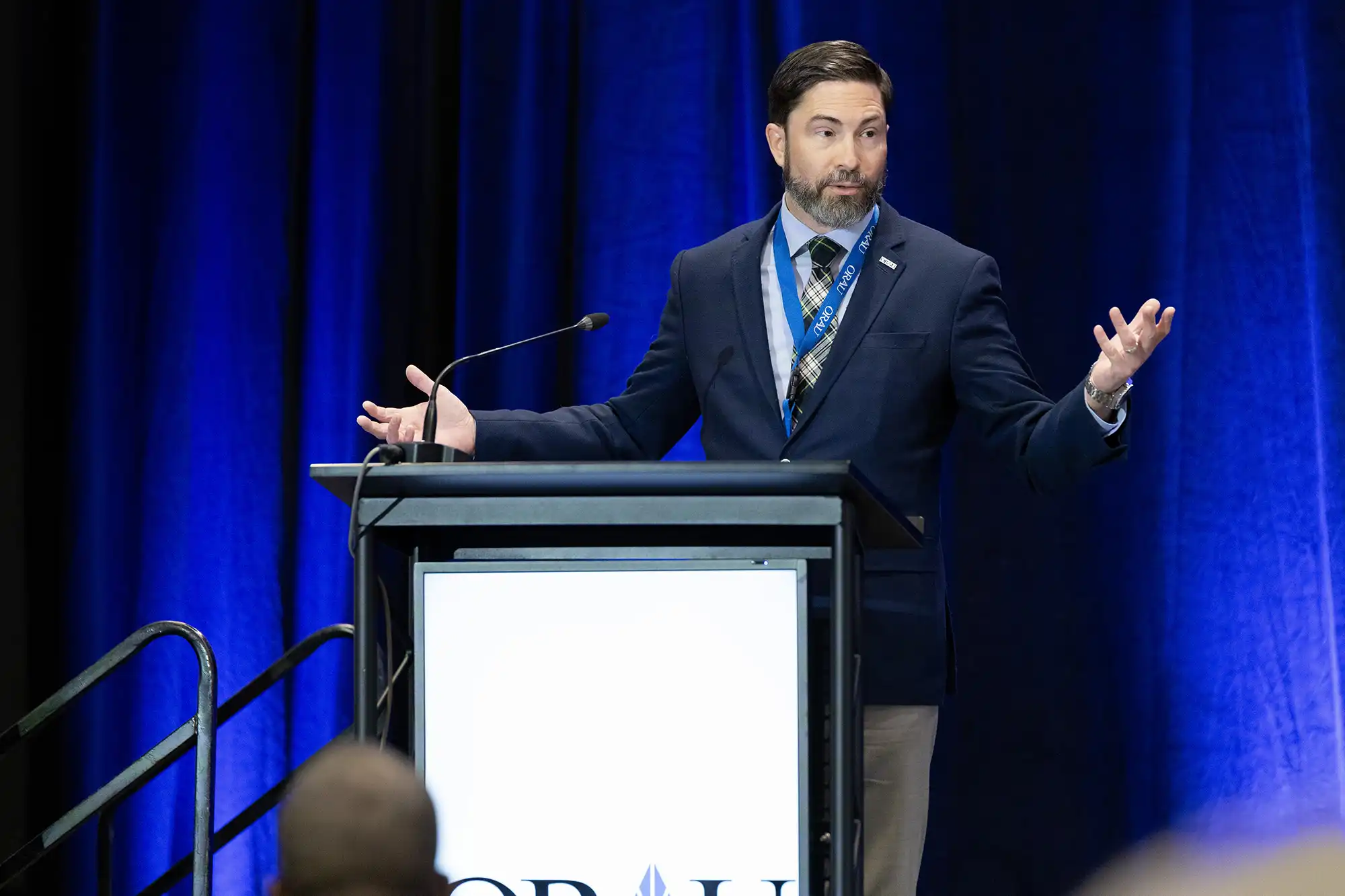
As artificial intelligence continues to transform industries across the globe, its growing convergence with biotechnology is opening the door to both groundbreaking medical advances and complex new risks. Greg Nichols, has spent years examining those challenges through the lenses of public health, national defense and emerging technology policy.